
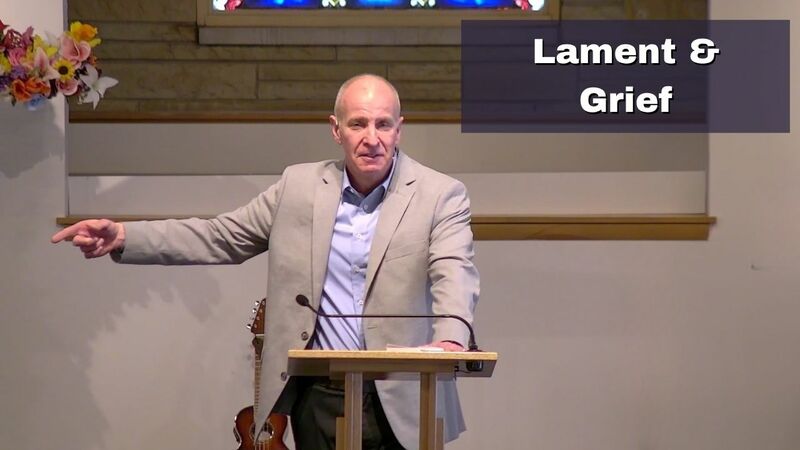
This powerful exploration of the Book of Lamentations reminds us that grief and hope are not mutually exclusive in the Christian life. We celebrate that Christ has conquered death, yet we still experience profound sorrow in a broken world. The ancient poetry of Lamentations, written during Jerusalem's destruction in 586 BC, gives us permission to honestly express our deepest pain to God. The text reveals that lament is not a sign of weak faith but rather an act of faith itself - we cry out because we believe God hears and cares. Even Jesus wept at Lazarus's tomb and cried out from the cross, showing us that authentic grief has a place in our relationship with God. The famous passage about God's faithfulness and mercies being new every morning sits right in the middle of this book of anguish, teaching us that we can hold both grief and hope simultaneously. We live in the tension between Easter's victory and the reality of tears, between knowing everything will be made right and acknowledging that right now, things are not all right. This message invites us to bring our honest laments to God, to be a community that weeps with those who weep, and to resist the temptation to rush past grief toward easy answers.
How do you personally reconcile the tension between celebrating Christ's resurrection and experiencing ongoing grief and suffering in your own life?
Why do you think the modern church, particularly in the United States, struggles to embrace lament as a regular spiritual practice?
What does it reveal about God's character that He included the book of Lamentations, with all its raw emotion and unresolved endings, in Scripture?
How does Jesus weeping at Lazarus's tomb, even knowing He would raise him from the dead, change your understanding of expressing grief as a Christian?
In what ways might trying to rush past grief or minimize suffering actually harm someone's faith journey rather than strengthen it?
How can we as a church community create safer spaces for people to express honest lament without offering quick fixes or unhelpful platitudes?
What is the difference between complaint and lament, and why does directing our suffering toward God rather than just venting make a spiritual difference?
How does the practice of lament actually demonstrate faith rather than a lack of it?
What current grief or loss in your life have you been hesitant to bring honestly before God, and what would it look like to lament that to Him?
How can we hold both present sorrow and future hope simultaneously without diminishing either reality?


.png)