
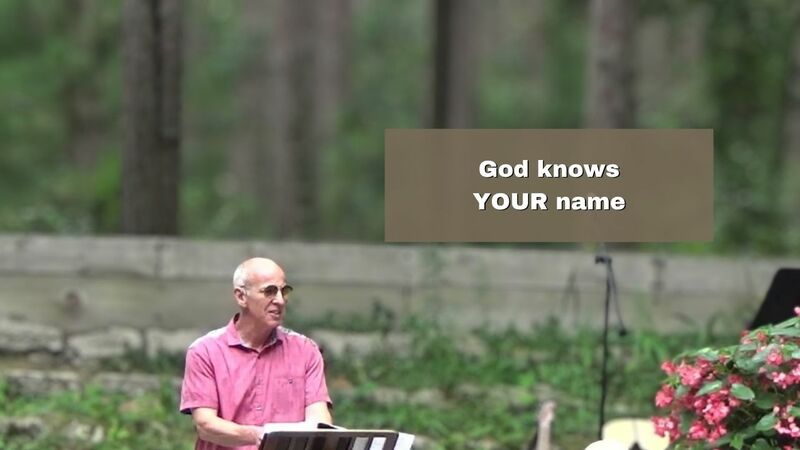
What does it mean to truly be seen? In a world where we can so easily feel like a number, a label, or simply a means to someone else's end, the ancient story of Hagar cuts straight to the heart of one of our deepest human longings. Hagar was an Egyptian slave, a foreigner, a woman with no social standing, and she was used by two of the Bible's most celebrated figures without ever once being called by her own name. Yet when she fled into the desert, alone and pregnant, it was God who found her, and God who called her by name. The story of Hagar in Genesis 16 invites us to wrestle with some profound questions about identity, about who gets to define us, and about whether God notices those who have been pushed to the margins. We see a striking contrast between how the people around Hagar treated her and how God approached her, and that contrast carries a message that reaches across thousands of years directly into our own lives. The name Hagar gives to God, El Roi, the God who sees me, is not just a historical footnote. It is a declaration that reframes everything we think we know about how God relates to the overlooked, the hurting, and the forgotten.


.png)