
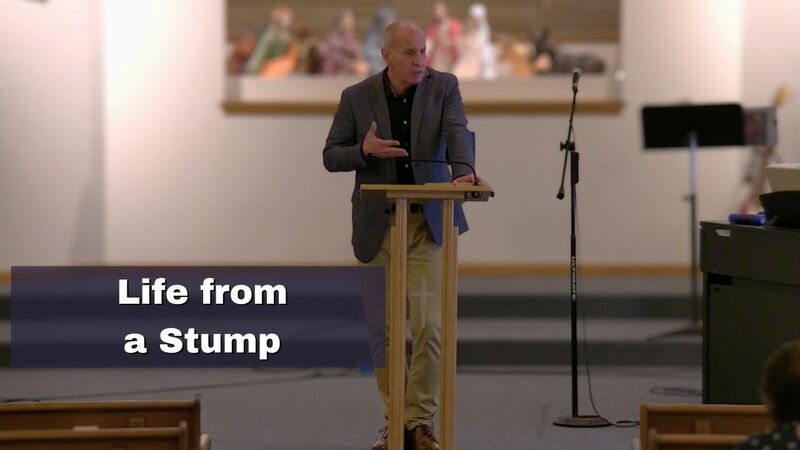
This message invites us into the prophet Isaiah's stunning vision of a world transformed—where wolves live peacefully with lambs, where leopards lie down with goats, and where even children can play safely near vipers. Written during a time of national chaos when Israel faced corruption, ineffective leadership, and looming empires threatening destruction, Isaiah's prophecy offers something far more radical than a military savior. Instead of a warrior-king who slays lions, God promises a leader anointed with wisdom, understanding, and counsel—one who judges with righteousness and brings justice to the oppressed without being swayed by appearances or wealth. This leader, fulfilled in Jesus, doesn't transform the world through the sword but through the Spirit. What makes this vision so compelling is its dual meaning: Isaiah may be describing literal transformation of creation itself, or he may be using animal imagery to represent human predators—those who exploit the vulnerable—being changed from the inside out. Either way, the message is clear: through Christ, all of creation will be redeemed. As we sit in this Advent season, between Jesus' first coming and his return, we're reminded that hope isn't merely wishing—it's confident expectation grounded in God's faithfulness. When we look at our broken world and see only a stump, God sees new life emerging. This vision empowers us to pray 'Your kingdom come' with certainty, to worship with joy, and to persevere through trials knowing that justice and peace will ultimately reign.
Isaiah describes a leader who judges not by what he sees or hears, but by deeper discernment. How can we cultivate this kind of wisdom in our own decision-making and interactions with others?
The sermon presents two interpretations of Isaiah's peaceable kingdom—literal animals or metaphorical predators and prey among people. Which interpretation resonates more with you, and why might both be important?
When we look at the world's continued violence and exploitation, especially of children and the vulnerable, how do we maintain hope in God's promise of transformation without becoming complacent?
The image of life coming from a dead stump mirrors Jesus' resurrection. Where in your own life have you experienced God bringing new life from what seemed dead or hopeless?
Isaiah's vision shows predators fundamentally transformed, not just restrained. What does it mean for God to change our nature rather than simply control our behavior?
The sermon distinguishes between wishful thinking and biblical hope grounded in God's faithfulness. How does this understanding of hope change the way you pray or wait for God's promises?
When we pray 'your kingdom come,' we're asking for a world where the powerful no longer prey on the weak. What specific injustices should this prayer compel us to address today?
Jesus brings transformation through wisdom, understanding, and the Spirit rather than military power. How does this challenge our cultural expectations of what strong leadership looks like?
The peaceable kingdom includes all of creation being redeemed, not just human souls. How should this broader vision of salvation shape our relationship with the natural world?
We live in the 'in-between time' after Jesus' first coming but before his return. How can holding onto Isaiah's vision of the future sustain us through present suffering and injustice?


.png)