
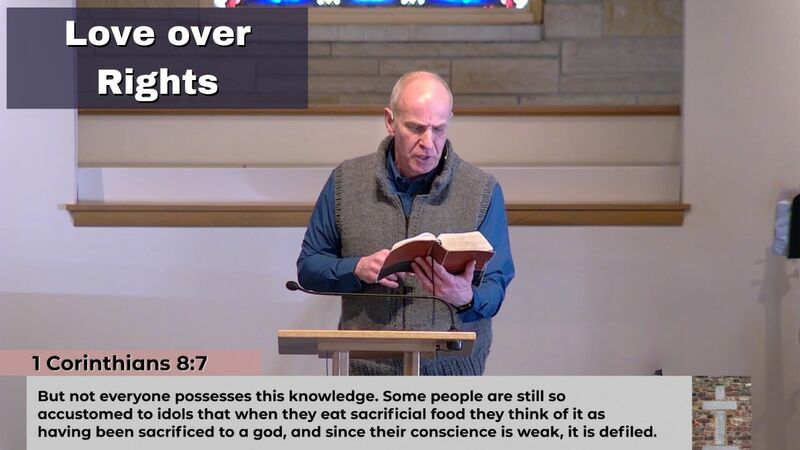
This exploration of 1 Corinthians 8 challenges us to examine the tension between theological correctness and loving action. The early church in Corinth faced a dilemma we might find strange today: whether to eat meat sacrificed to idols. While some believers rightly understood that idols are nothing and therefore the meat was harmless, others struggled with deep internal conflict, their consciences troubled by associations with their former lives of idol worship. The profound lesson here isn't about ancient dietary practices, but about how we wield our knowledge and rights. We learn that being theologically right doesn't automatically make our actions right. Knowledge can puff us up with pride, making us feel superior to those who struggle with issues we've resolved. But love builds up others, considering their spiritual wellbeing above our own freedoms. This passage invites us into uncomfortable self-examination: Are we more focused on asserting our rights or on loving others? Do we use our theological understanding as a weapon or as a bridge? The call is clear—following Jesus means sometimes voluntarily setting aside what we're entitled to for the sake of another's faith journey. It's a countercultural message, especially in a rights-focused society, but it's the very heart of Christ-like love.
How might our modern emphasis on individual rights and freedoms conflict with Paul's teaching that love should take priority over our theological correctness or personal liberties?
Can you identify a situation in your own life where you had the right to do something but chose not to for the sake of another person's faith or conscience?
What is the difference between someone being merely offended or annoyed by our actions versus our actions actually causing them to stumble in their faith, and how can we discern between the two?
In what ways does knowledge puff us up while love builds up, and how have you experienced this tension in your own spiritual journey or relationships with other believers?
How do we balance holding firm theological convictions with the humility to recognize that we may not know everything about anything, as Paul suggests?
What contemporary issues in the church today might parallel the meat sacrificed to idols controversy, where Christians have genuine disagreements in gray areas not explicitly addressed in Scripture?
How does Paul's teaching challenge the American cultural value of asserting our rights, and what would it look like to adopt a more Christ-like posture of setting aside our rights for others?
When have you witnessed or experienced someone using their theological knowledge or freedom in a way that harmed rather than built up another believer?
How can we cultivate the mindset of Christ described in Philippians 2, who set aside his divine rights and made himself nothing for the sake of others?
What practical steps can we take to ensure our actions are motivated by love that seeks the good of individuals and the community rather than by our desire to exercise our freedoms?

.png)