
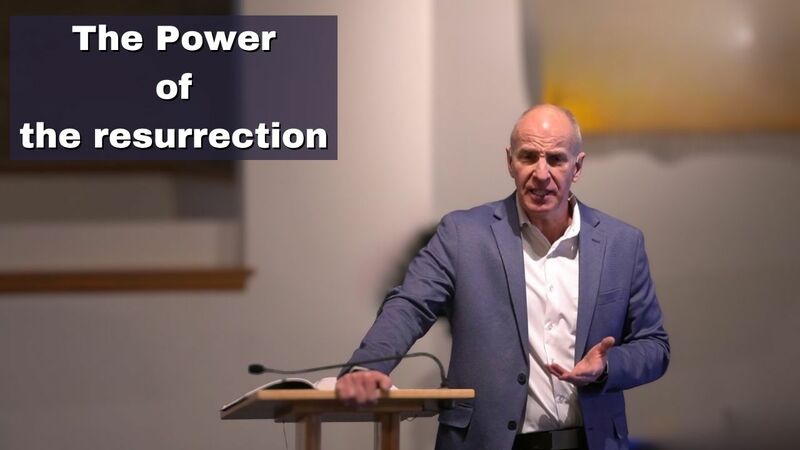
This exploration of 1 Corinthians 15 invites us to consider a profound question: why does the resurrection of Jesus actually matter to our everyday lives? Rather than simply accepting resurrection as a distant theological concept, we're challenged to understand its far-reaching implications. The message traces Paul's careful argument to the Corinthian church, where some were denying the resurrection of the dead. Paul lays out the gospel as a four-part story: Jesus died for our sins, was buried, was raised, and appeared to witnesses. But here's the powerful insight: if there's no resurrection, then Jesus wasn't raised either, and if Jesus wasn't raised, our faith collapses entirely. We discover that the resurrection isn't just about life after death, it's about forgiveness now, purpose in how we use our bodies today, and access to resurrection power in our present struggles. The shift from Saturday to Sunday worship in the early church symbolizes something beautiful: the first day of the week pointing back to creation itself, signaling that God is making all things new. When we grasp that the same power that raised Jesus from the grave is available to us now, it transforms how we approach selfless living and loving others. The resurrection means Jesus is alive today, walking with us, empowering us to live the cross-shaped life of love He modeled.
Paul argues that if there is no resurrection of the dead, then Christ has not been raised and our faith is futile. How does the resurrection of Jesus provide the foundation for your entire Christian faith?
The sermon states that the resurrection proves Jesus' death was not just another tragic crucifixion but was atonement for our sins. How does understanding the resurrection change the way you view the cross?
Paul writes that if Christ has not been raised, we should just eat and drink for tomorrow we die. How does belief in the resurrection actually shape the way you live your daily life right now?
The early church moved their day of worship from Saturday to Sunday to celebrate the resurrection as a sign of new creation. What does it mean to you that Jesus' resurrection inaugurated a new creation rather than just offering escape from this world?
The sermon emphasizes that how we use our bodies now matters because they will be resurrected. In what specific ways should this truth influence decisions about your sexuality, vocation, use of time, and ministry?
Paul reminds the Corinthians that he preached a gospel they received and took their stand on, yet some were denying the resurrection. What inconsistencies might exist between what we say we believe about the resurrection and how we actually live?
The sermon states that we can only live a cross-shaped life of selfless love through the power of God, the same power that raised Jesus from the dead. Where in your life do you most need to rely on resurrection power rather than your own strength?
Jesus being raised on the first day of the week points back to the first day of creation, signaling a new beginning. How does viewing the resurrection as the start of new creation rather than just individual salvation change your understanding of God's work in the world?
The resurrection means Jesus is alive today and His power and presence are with us now. How would your daily experience of faith be different if you lived with a constant awareness of the risen Christ's presence?
The sermon presents hope in both life and death through the resurrection. How does the hope of future resurrection give you hope for the struggles and challenges you face in this present life?

.png)