
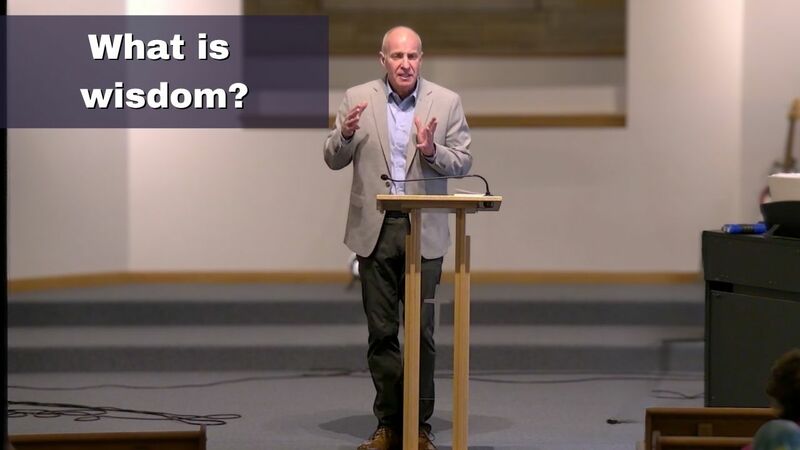
This exploration of wisdom invites us to reconsider what it truly means to live wisely in a world overflowing with information but often lacking in genuine understanding. Drawing from the book of Proverbs, we're reminded that wisdom isn't simply about accumulating knowledge or finding the right answers—it's about how we live, day by day, in alignment with God's design for creation. The central foundation is the fear of the Lord, which isn't about being terrified of God but rather about respecting Him enough to say yes to His instruction above all other voices. This means acknowledging our limitations, recognizing that God is God and we are not, and choosing to trust His wisdom over our own understanding. The message challenges us to cultivate a teachable spirit, to be willing to receive correction and guidance even when it hurts our pride. We're confronted with the reality that the Proverbs aren't magic formulas or promises but patterns for living that require wisdom to apply. The journey toward wisdom involves crying out to God, searching the Scriptures not to confirm our biases but to be shaped by them, and engaging with the church community where different perspectives help us see our blind spots. In our information-saturated age, we're called to move beyond consuming content and toward thoughtful discernment, asking not just what information is available but what God is teaching us through it all.
How does the concept of 'fear of the Lord' as respect and obedience differ from worldly fear, and how might this understanding change the way you approach God daily?
In what areas of your life are you most tempted to lean on your own understanding rather than trusting in God's wisdom, and what makes those areas particularly challenging?
The sermon presents wisdom as requiring teachability and humility. When was the last time you struggled to receive correction or instruction, and what kept you from being teachable in that moment?
How do you discern between the two seemingly contradictory proverbs about answering or not answering a fool, and what does this teach us about applying biblical wisdom to complex situations?
Considering that proverbs are patterns rather than promises, how does this understanding affect your expectations of God when you follow His wisdom but still experience hardship?
In our information-saturated age, how can we distinguish between merely accumulating knowledge and actually growing in wisdom, and what practices help you make this distinction?
The sermon suggests reading Bible commentators who don't look like us or share our background. How might seeking diverse perspectives in the church community reveal blind spots in your own understanding of Scripture?
What does it mean practically to define good and evil according to God's standards rather than your own, especially in situations where cultural norms conflict with biblical teaching?
How does recognizing your physical and mental limitations serve as a reminder that God is God and you are not, and how might this awareness shape your daily decisions?
The communion table represents God's wisdom being radically different from human wisdom. What other aspects of the gospel challenge your natural understanding of power, success, or righteousness?

.png)