
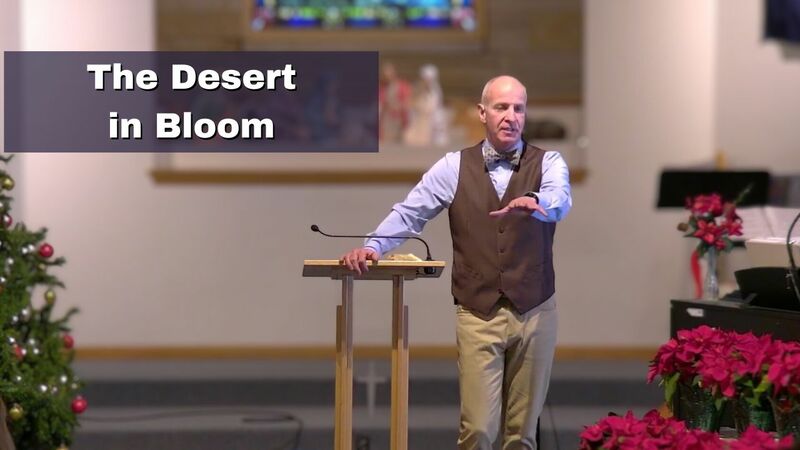
This reflection on Advent invites us into the tension between promise and fulfillment, between waiting and receiving. Drawing from Isaiah 35, we encounter a breathtaking vision of transformation: deserts bursting into bloom, the lame leaping like deer, the mute shouting for joy, and streams appearing in parched wastelands. These aren't mere poetic flourishes—they're declarations of what God does when He enters our brokenness. The message acknowledges the real pain many of us feel during this season, when 'the most wonderful time of the year' can feel like the loneliest or most difficult. Like driving through a blinding snowstorm where we can barely see the road ahead, our suffering can obscure God's presence and promises. Yet the core proclamation remains unwavering: Your God will come. He has come in Jesus, and He will come again. This isn't about our ability to reach God or fix ourselves—it's about God reaching us in the midst of our deserts. When John the Baptist, that great prophet, found himself imprisoned and doubting, Jesus pointed him back to Isaiah's promises being fulfilled: the blind see, the lame walk, the dead are raised. No life is too far gone, no desert too parched, no person beyond God's transforming reach. We're invited simply to receive this good news, to let it wash over us without feeling we must immediately do something with it. The promise is that joy will overtake us—not manufactured happiness, but genuine joy that surprises us in unexpected moments, like tears at SeaWorld watching killer whales swim peacefully with humans, glimpsing the peaceable kingdom. Sorrow and sighing will flee away. This is our hope in Advent: God doesn't abandon us in our rebellion or pain, but comes to us, transforms us, and leads us home.
Isaiah describes God transforming deserts into blooming gardens and bringing healing to the broken. What 'desert places' in your own life or community are you longing to see God transform?
John the Baptist, despite being called the greatest born of women, still had doubts while in prison. How does knowing that even great people of faith experience doubt affect your own spiritual journey?
The sermon emphasizes that 'your God will come' rather than us having to reach God. How does this shift from self-effort to divine initiative change the way you approach your relationship with God?
When we're in painful circumstances, we can be 'blinded' like driving in a snowstorm, unable to see the road ahead. How do you hold onto hope when you cannot see God's path clearly?
Isaiah promises that 'gladness and joy will overtake them'—joy as something that happens to us rather than something we manufacture. When have you experienced this kind of unexpected, overwhelming joy?
The passage states there is 'no life too far gone' for God to reach. Who in your life seems beyond hope, and how might this message challenge your perspective about them?
Advent is described as a season of longing and expectation, acknowledging the world isn't yet made right. How can embracing this 'in-between time' be spiritually valuable rather than simply waiting for resolution?
Jesus pointed to the fulfillment of Isaiah's prophecies as evidence of his identity as Messiah. What present-day evidence of God's work helps strengthen your faith when doubts arise?
The sermon concludes by saying this message requires no action steps, just hearing good news. Why is it sometimes difficult to simply receive grace without feeling we must do something in response?
Isaiah promises that 'sorrow and sighing will flee away' when God comes. How does this future hope affect the way you navigate present suffering and grief?

.png)