
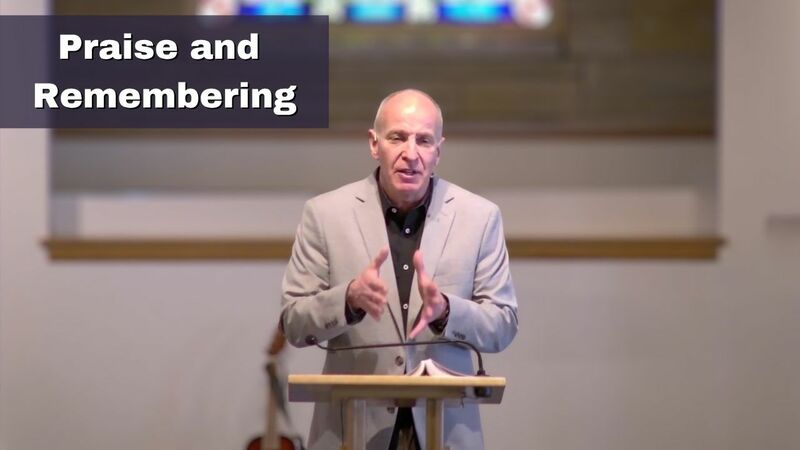
This exploration of Psalm 103 invites us into a profound practice of remembering as the foundation of authentic praise. The psalmist's opening words, 'Let all that I am praise the Lord,' reveal something remarkable: praise isn't about manufacturing emotion, but about remembering what God has done and who God is. When David speaks to his soul, he's essentially coaching himself into gratitude by recounting God's faithfulness. The psalm gives us a beautiful catalog of God's actions: forgiveness of all our sins, healing, redemption from death, removal of our transgressions as far as the east is from the west. These aren't abstract theological concepts but concrete realities that should stir something deep within us. What makes this passage particularly powerful is its emphasis on 'all' - God forgives all sins, gives justice to all who are treated unfairly, fills our lives with good things. The contrast between our fleeting existence, like grass that withers, and God's eternal, steadfast love creates a tension that naturally leads to worship. We're reminded that even though we're small in the vast universe, God notices us, cares for us, and loves us with an unfailing love. This isn't just information to know; it's truth meant to transform how we live each day.
David talks to himself in Psalm 103, commanding his soul to praise God. What does it look like practically to talk to yourself about praising God, and how might this practice change your spiritual life?
The sermon emphasizes remembering what God has done as a pathway to praise. What specific moments in your life can you recall where God's presence or provision was undeniable, and how does remembering these moments affect your worship today?
The Hebrew word 'nephesh' refers to our whole being, not just an immaterial soul. How does understanding praise as involving our entire self—body, mind, and spirit—expand or challenge your current worship practices?
Exodus 34 reveals God's character as compassionate, gracious, and abounding in steadfast love. Which aspect of God's character do you find most difficult to remember or believe in your current season of life, and why?
The psalmist contrasts human frailty with God's eternal love, noting we are like grass that withers while God's love remains forever. How does this contrast between our temporary nature and God's permanence shape the way you approach daily struggles?
The sermon suggests multiple ways to praise God beyond singing, including dancing, painting, writing, and creating. What unique gifts or talents do you possess that you could intentionally use to express worship and praise to God?
David describes God as removing our sins as far as the east is from the west. Do you truly live as though your sins are completely forgiven and removed, or do you carry guilt that God has already taken away?
Keeping a journal or list of God's goodness can be a good way to remember. What practice could you implement this week to intentionally notice and record how you experience God's grace in everyday moments?
Psalm 8 asks why God would care about mere mortals when considering the vastness of creation. How does the truth that the infinite God personally cares about you impact your sense of worth and identity?
The sermon encourages learning about what God is doing globally through missions and the worldwide church. How might regularly hearing stories of God's work in other cultures and countries transform your perspective on your own faith journey?


.png)