
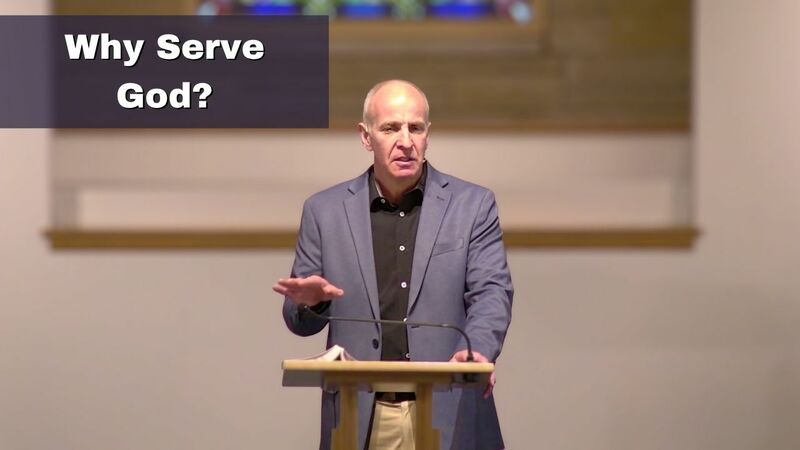
The book of Job confronts us with a question that cuts to the heart of our faith: Do we serve God because of who He is, or because of what He gives us? This message challenges the common assumption that righteousness automatically leads to blessing and wickedness to punishment. Through Job's story, we're invited to examine whether our devotion to God is transactional or transformational. The heavenly challenger doesn't question Job's righteousness but rather his motivation for it. Would Job remain faithful if all his blessings were stripped away? This isn't merely an ancient question but a deeply personal one for each of us. When we face suffering, loss, or disappointment, do we turn away from God or toward Him? The prosperity mindset that equates faith with material blessing crumbles under the weight of real suffering. Instead, we're called to a deeper understanding: our relationship with God isn't about what we gain but about who God is. He is worthy of our worship not because He blesses us with sheep and camels, but because He is God. This reframing transforms everything about how we approach faith, suffering, and our daily walk with the Divine.
How does the shift from asking 'Why do good people suffer?' to 'Why doesn't God punish evildoers?' reflect changing cultural attitudes toward justice and faith?
In what ways might Job's practice of offering sacrifices 'just in case' his children sinned reveal an unhealthy fear-based relationship with God rather than one rooted in love?
Do you think the 'challenger' in Job is questioning God's governance of the universe or simply testing the authenticity of human righteousness? What difference does this distinction make?
How do we distinguish between serving God because He is generous versus serving God because He is worthy, and what does this reveal about our spiritual maturity?
If you lost all material blessings and evidence of God's favor in your life, what would sustain your faith and commitment to following Him?
How does the prosperity gospel distort the message of Job, and what dangers does it pose to believers who inevitably experience suffering?
What does it mean to love God for God's sake rather than for our own sake, and how can we cultivate this kind of disinterested righteousness in our daily lives?
How might Job's assumption that righteousness equals blessing have limited his understanding of God's character and purposes?
In what ways do we unconsciously operate by a formula of retributive justice, expecting good behavior to guarantee favorable outcomes?
How does understanding that the book of Job is more about righteousness than suffering change the way we approach our own trials and questions about God's justice?


.png)