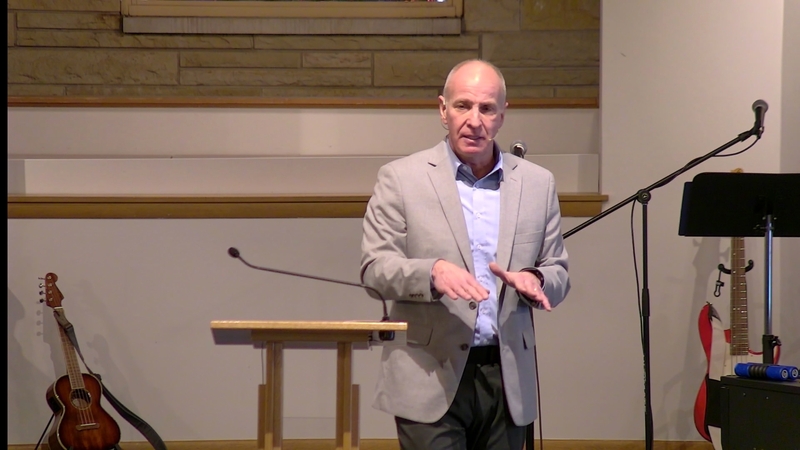
What does it mean when God feels absent? The book of Esther presents us with one of the most unusual books in the entire Bible -- one where God's name never appears, not even once. Yet woven through this ancient story of a Jewish queen, a scheming official named Haman, and a sleepless king in Persia is something remarkable: a pattern of coincidences so perfectly timed that they stretch the imagination. Mordecai just happens to overhear an assassination plot. The king just happens to have a sleepless night. The royal records just happen to land on the one story that changes everything. What looks like luck begins to look like something else entirely. Esther invites us to reconsider how we recognize God at work -- not only in the spectacular and miraculous, but in the quiet, unremarkable turning points of ordinary life. As we trace the stunning reversal from near-genocide to celebration, we are drawn to ask a deeply personal question: where, looking back at our own lives, do we see the same invisible hand at work?