
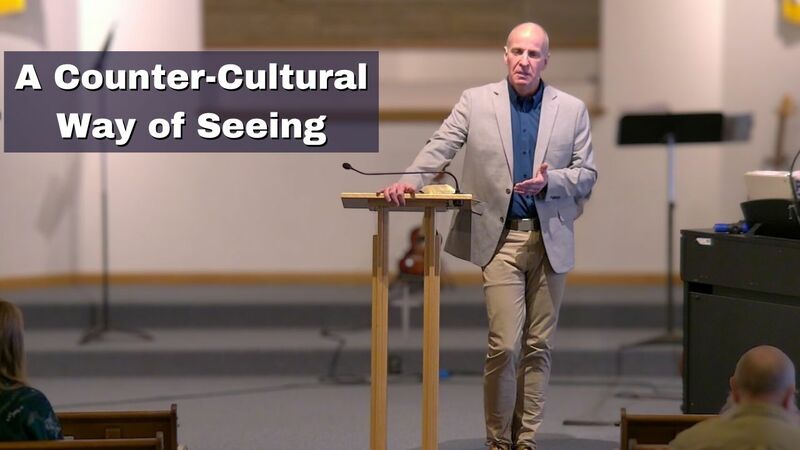
What if everything we thought we knew about power and wisdom was completely upside down? This exploration of 1 Corinthians challenges us to rethink our most basic assumptions about what makes someone valuable, influential, or worth following. Paul's message to the Corinthian church cuts through our cultural obsession with influence, success, and worldly achievement by pointing to something scandalous: a crucified Savior. In the ancient world, crucifixion was so vulgar and shameful that polite society wouldn't even mention it in conversation. Yet Paul declares this is the very heart of God's wisdom and power. The cross reveals a God who doesn't follow our rules about who matters and who doesn't. Instead of choosing the influential, the educated, or the powerful, God deliberately chose the foolish, the weak, and the marginalized—the people nobody else picked. This isn't just ancient history; it's an invitation to examine our own hearts and communities today. Do we value people the way God does, or have we adopted the world's measuring stick? Are we drawn to those with social media influence and worldly success, or do we recognize the inherent worth of every person—the elderly, the disabled, those society overlooks? Living a cross-shaped life means embracing this radical reversal of values, seeing strength in vulnerability, and finding God's power expressed not through dominance but through sacrificial love.
How does Paul's statement 'I resolved to know nothing while I was with you except Jesus Christ and Him crucified' challenge or expand your understanding of what it means to center your life on Jesus?
In what ways do our modern definitions of power and success contradict the 'foolishness' and 'weakness' of the cross that Paul describes?
When have you found yourself attaching your identity to a particular Christian leader or teacher rather than to Christ alone, and what led you to recognize this?
How does viewing the cross as 'social stigma' and 'vulgar' in the ancient world change your perspective on what it meant for early Christians to follow a crucified Savior?
What would it look like for our church to genuinely value and embrace the 'nothings and nobodies' that God chooses, rather than seeking influence and status?
In what areas of your life are you most tempted to claim your rights rather than follow Jesus' example of setting aside His rights and taking the form of a servant?
How might our church be unconsciously reflecting the world's values by marginalizing certain groups like the elderly, disabled, or those without influence?
What does it mean practically to exercise dominion 'not by capturing positions of power and influence, but by servanthood to the larger society'?
How does the cross reveal not just how we are saved, but also how we should view and treat every person we encounter?
If we truly lived as a 'cross-shaped community,' what specific changes would be visible in how we relate to one another and those outside our church?

.png)