
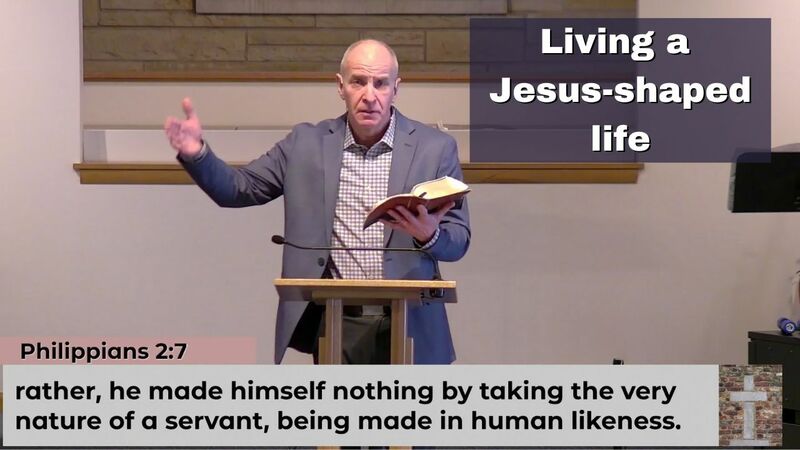
What does it truly mean to live a cross-shaped life? This takes us deep into Paul's letter to the Corinthians, revealing a counter-cultural pattern of discipleship that mirrors Christ himself. Drawing from Philippians 2, we encounter the master story of Jesus who, though being in very nature God, didn't cling to his divine privileges but instead emptied himself, taking the form of a servant. This isn't just ancient history—it's the blueprint for how we're called to live today. Paul demonstrates this radical way of life by giving up his right to financial support, becoming a tent maker instead, all for the sake of the gospel. The challenge before us is profound: Are we willing to set aside our rights, our freedoms, and our privileges to enter into others' worlds? This means truly listening, asking "tell me more," and understanding people's experiences—whether they've never stepped foot in a church or have been deeply hurt by religious communities. The call isn't to compromise truth but to contextualize it with love, becoming "all things to all people" so that some might be saved. While Olympic athletes sacrifice everything for a fading laurel wreath, we're invited to discipline ourselves for something eternal: helping others discover new life in Jesus.
Paul compares sharing the gospel to athletic training that requires discipline and sacrifice. What specific disciplines or sacrifices might be required of us today to effectively share the good news with others?
In Philippians 2, Jesus set aside his divine privileges to become human and die on a cross. What rights or privileges in your own life might God be calling you to set aside for the sake of others or the gospel?
Paul became a tent maker rather than accepting financial support, believing it would help rather than hinder the gospel. How might our choices about money, career, or lifestyle either help or hinder our witness to others?
The sermon emphasizes entering into others' worlds and truly understanding their experiences before sharing Jesus with them. Who in your life do you need to listen to more deeply, and what questions could you ask to better understand their story?
Paul says he became all things to all people to win some to Christ. How do we balance contextualizing the gospel for different audiences while maintaining the integrity of the message itself?
The pastor notes that many people today have never heard basic Bible stories or have experienced church hurt. How should this reality change the way we talk about faith with our neighbors, coworkers, or friends?
What is the difference between compromising our faith and adapting our approach to meet people where they are? Where is the line between contextualization and compromise?
The sermon suggests that sharing the gospel requires intentionality and cannot happen by accident. What intentional steps could you take this week to build relationships with people who do not know Jesus?
Paul gave up his right to financial support because he believed it would hinder the gospel in Corinth. What seemingly good or justified things in our church culture today might actually be hindering the gospel from reaching certain people?
The cross-shaped life means setting aside privileges for others, as Jesus did. In what practical ways can your small group, family, or church community embody this self-giving love toward those outside the faith?

.png)